


Most of us grew up believing that “natural” automatically meant safer. If it came from a plant, it had to be good for you, right? Not exactly. Poison ivy is natural. So is lead. The real question isn’t where an ingredient comes from, it’s whether it’s safe, transparent, and responsibly made. That’s exactly what the clean beauty movement is asking us to consider. Clean beauty refers to products made without ingredients known or suspected to harm health or the environment. This article walks you through what clean beauty actually means, which ingredients to watch for, who benefits most, and how to shop with confidence.
Table of Contents
- Defining clean beauty: Beyond the buzzwords
- The clean beauty blacklist: Ingredients commonly avoided
- The impact of clean beauty: Who benefits and why it matters
- How to shop clean: Practical steps for safer, sustainable beauty
- Is clean beauty enough? A deeper look at the movement
- Clean beauty and you: Find your essentials at BEAUTIFUL U
- Frequently asked questions
Key Takeaways
| Point | Details |
|---|---|
| Clean beauty defined | Clean beauty means safe, non-toxic products made transparently and ethically for people and the planet. |
| Avoided ingredients list | Most clean beauty brands exclude hundreds or thousands of chemicals the FDA has not yet banned. |
| Impact on health | Switching to clean beauty lowers exposure to hazardous chemicals, especially for groups at greater risk. |
| Smart shopping tips | Use label-reading, trusted certifications, and clean beauty apps to make confident purchases. |
| Look beyond buzzwords | Prioritize science-backed choices over simple ‘natural’ claims when building a beauty routine. |
Defining clean beauty: Beyond the buzzwords
To understand what makes a product truly clean, it’s crucial to start with the fundamentals. The term “clean beauty” gets thrown around constantly, but it’s not a legally regulated label. That means any brand can slap it on a product without meeting a specific standard. So what does it actually mean?
Clean beauty avoids harmful ingredients and emphasizes safety, non-toxic formulas, and ethics. It’s less about where an ingredient was grown and more about whether it poses a risk to your body or the planet. This is a meaningful distinction because it shifts the focus from marketing language to actual health outcomes.
Here’s where it gets interesting. Clean beauty overlaps with but is distinct from natural and organic products. “Natural” refers to ingredient origin. “Organic” relates to how ingredients were farmed. “Clean” is about safety and transparency, regardless of whether an ingredient is synthetic or plant-based. A product can be fully synthetic and still be clean, as long as its ingredients are verified safe.
Third-party certifications help cut through the noise. Look for these trusted standards:
- COSMOS (Cosmetic Organic and Natural Standard): Covers organic and natural cosmetics with strict environmental and safety criteria
- NATRUE: A European standard ensuring natural and organic ingredients meet rigorous purity benchmarks
- ECOCERT: Certifies products for organic content and environmental responsibility
These certifications aren’t perfect, but they give you an independent checkpoint beyond a brand’s own claims.
| Label | What it means | Regulated? |
|---|---|---|
| Clean | Safe, non-toxic, transparent formulas | No (self-regulated) |
| Natural | Derived from nature | No |
| Organic | Grown without synthetic pesticides | Yes (USDA for food; varies for beauty) |
| Certified clean | Meets third-party safety standards | Yes (by certifying body) |
Pro Tip: Don’t assume “natural” equals gentle. Essential oils, botanical extracts, and plant-based fragrances are among the most common causes of contact dermatitis. A synthetic ingredient that’s been rigorously tested for safety can actually be kinder to your skin than a “natural” alternative.
The most empowering thing about clean beauty is that it asks you to look past the label and into the formula. That’s a skill worth building.
The clean beauty blacklist: Ingredients commonly avoided
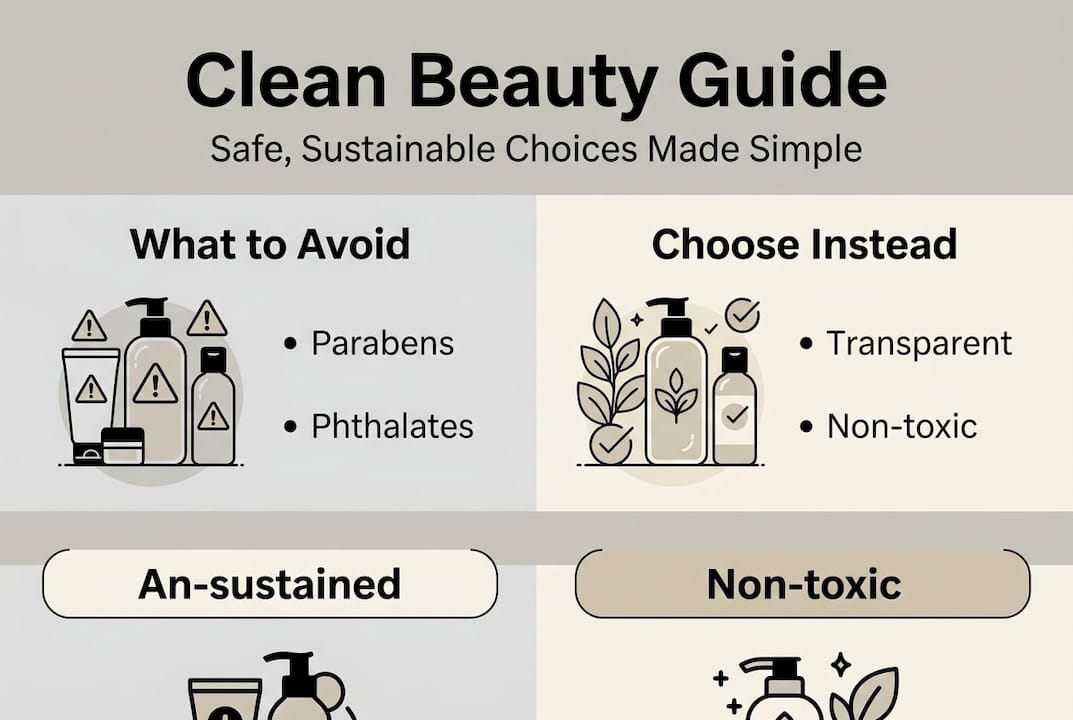
With a clear definition in place, let’s spotlight the specific ingredients and standards shaping the clean beauty landscape. One of the most eye-opening facts about the beauty industry? The FDA has banned only about 30 ingredients in the US, while clean beauty brands often exclude hundreds to thousands. The European Union, by comparison, restricts over 1,300 substances in cosmetics. That gap tells you a lot about why self-regulation in this space matters.
Here are the most commonly avoided ingredients in clean beauty:
- Parabens: Preservatives linked to hormone disruption. Found in many moisturizers and shampoos.
- Phthalates: Used to make fragrances last longer. Associated with endocrine disruption.
- Formaldehyde-releasers: Preservatives that slowly release formaldehyde, a known carcinogen. Common in hair straightening treatments.
- Sulfates (SLS/SLES): Foaming agents that can strip the skin’s natural barrier and irritate sensitive skin.
- Synthetic fragrances: “Fragrance” on a label can hide dozens of undisclosed chemicals.
- PEGs (polyethylene glycols): Used as thickeners or penetration enhancers; may be contaminated with harmful byproducts.
- Phenoxyethanol: A preservative that’s debated even within clean beauty circles due to potential skin irritation at higher concentrations.
“The FDA’s limited authority over cosmetics means that the burden of safety largely falls on brands and consumers themselves, not regulators.”
This doesn’t mean every synthetic ingredient is dangerous. The dose, the formulation, and your individual biology all matter. Clean beauty isn’t about achieving zero risk. It’s about making more informed choices and reducing unnecessary exposure where you can.
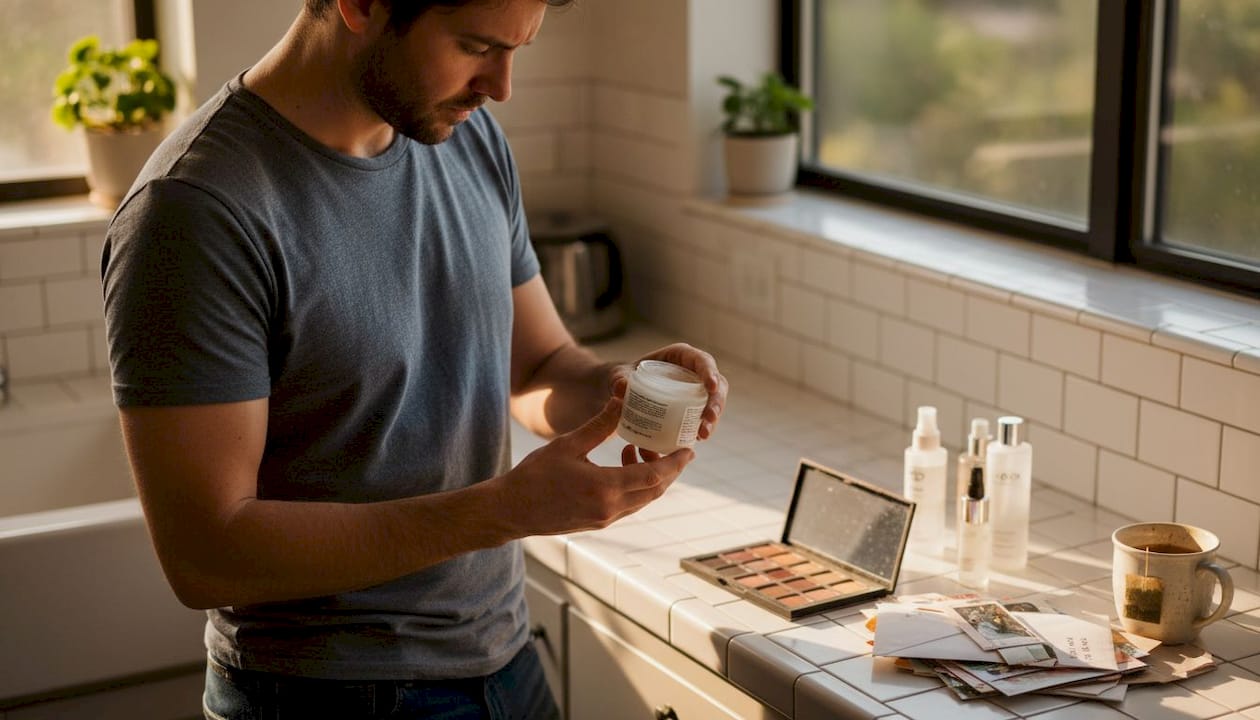
It’s also worth noting that avoiding all synthetic components isn’t always the right move. Some synthetic ingredients are more stable, longer-lasting, and better studied than their natural counterparts. The goal is smart selection, not blanket rejection.
The impact of clean beauty: Who benefits and why it matters
Now that you know what’s often left out of clean beauty products, it’s important to see who benefits most and why those details matter. The conversation around clean beauty isn’t just about personal preference. It’s tied to real health outcomes and, increasingly, to social equity.
Some groups stand to gain the most from cleaner beauty routines:
- People with sensitive skin or conditions like eczema and rosacea: Fewer irritants mean fewer flare-ups
- Pregnant women: Reducing exposure to endocrine-disrupting chemicals during pregnancy is a growing area of concern
- Eco-conscious consumers: Cleaner formulas often come with lower environmental impact and more sustainable packaging
- Communities with higher chemical exposure: This is where the equity angle becomes impossible to ignore
Research shows that Black women face 80% more toxic ingredient exposure, and non-Hispanic Black women face double the risk from high-hazard hair products. These aren’t abstract statistics. They reflect real disparities in which products are marketed to which communities, and which communities bear the greatest health burden as a result.
This is why clean beauty, at its best, is a health equity issue. When cleaner, safer products are accessible and affordable to everyone, not just those who can shop at premium retailers, the movement becomes genuinely transformative.
Practical tools can help close that gap. Apps like Think Dirty, EWG’s Skin Deep, and CosDNA let you scan or search products and get a hazard rating based on their ingredient lists. These tools aren’t perfect, but they put real information in your hands at the moment of purchase.
Making cleaner choices also sends a market signal. When more consumers demand transparency, more brands respond. Your purchasing decisions, especially when made collectively, shape what the industry prioritizes.
How to shop clean: Practical steps for safer, sustainable beauty
Understanding benefit and risk is only the start, so here’s how you can confidently put clean beauty principles into action. Shopping clean doesn’t require a chemistry degree. It does require a bit of strategy.
- Read the ingredient list, not the front label. The front of a product is marketing. The ingredient list (INCI list) is the truth. Ingredients are listed in order of concentration, so the first five matter most.
- Download a rating app. Apps and label-reading lower hazard scores for consumers who use them consistently. EWG’s Skin Deep and Think Dirty are two solid starting points.
- Look for third-party certifications. COSMOS, ECOCERT, and NATRUE logos on packaging indicate independent verification, not just brand promises.
- Cross-check brand claims. If a brand says “free from parabens” but doesn’t disclose the full ingredient list online, that’s a red flag. Transparent brands make their formulas easy to find.
- Transition gradually. You don’t need to throw out everything at once. Start with products you use most often and leave on your skin, like moisturizers, serums, and body lotion. These have the highest absorption potential.
- Prioritize your highest-use products. Rinse-off products like shampoos have less skin contact time than leave-on treatments, so focus your clean swap energy on leave-on items first.
Pro Tip: Greenwashing is real and it’s sophisticated. Brands use words like “pure,” “gentle,” “green,” and “earth-friendly” with zero regulatory backing. Always look past the packaging design and slogans to the actual ingredient list and any third-party verification.
Building a clean beauty routine is a process, not a one-day overhaul. Give yourself permission to learn as you go.
Is clean beauty enough? A deeper look at the movement
With clear, practical ways to shop smart, let’s take a step back and look at the hype and realities behind the clean beauty wave. Here’s an honest take: clean beauty is genuinely valuable, but it’s not a perfect system.
Contrasting views exist within the movement: some see it as a meaningful health and equity initiative, while others argue it’s largely marketing dressed up in wellness language. Both perspectives hold some truth. The evidence does support avoiding certain chemicals, particularly endocrine disruptors and known carcinogens. But the blanket fear of all synthetic ingredients isn’t always backed by science.
What we believe is this: the most powerful version of clean beauty is one where you combine ingredient awareness with clinical evidence. Seek out brands that are transparent about their formulas and can point to real safety data, not just “free from” lists. A product that’s clean AND effective is the goal, not one at the expense of the other. Self-education matters more here than any label or trend ever will.
Clean beauty and you: Find your essentials at BEAUTIFUL U
If you’re inspired to make safer, cleaner choices, here’s where you can start your journey. Knowing what to look for is one thing. Having access to products that actually meet those standards is another.
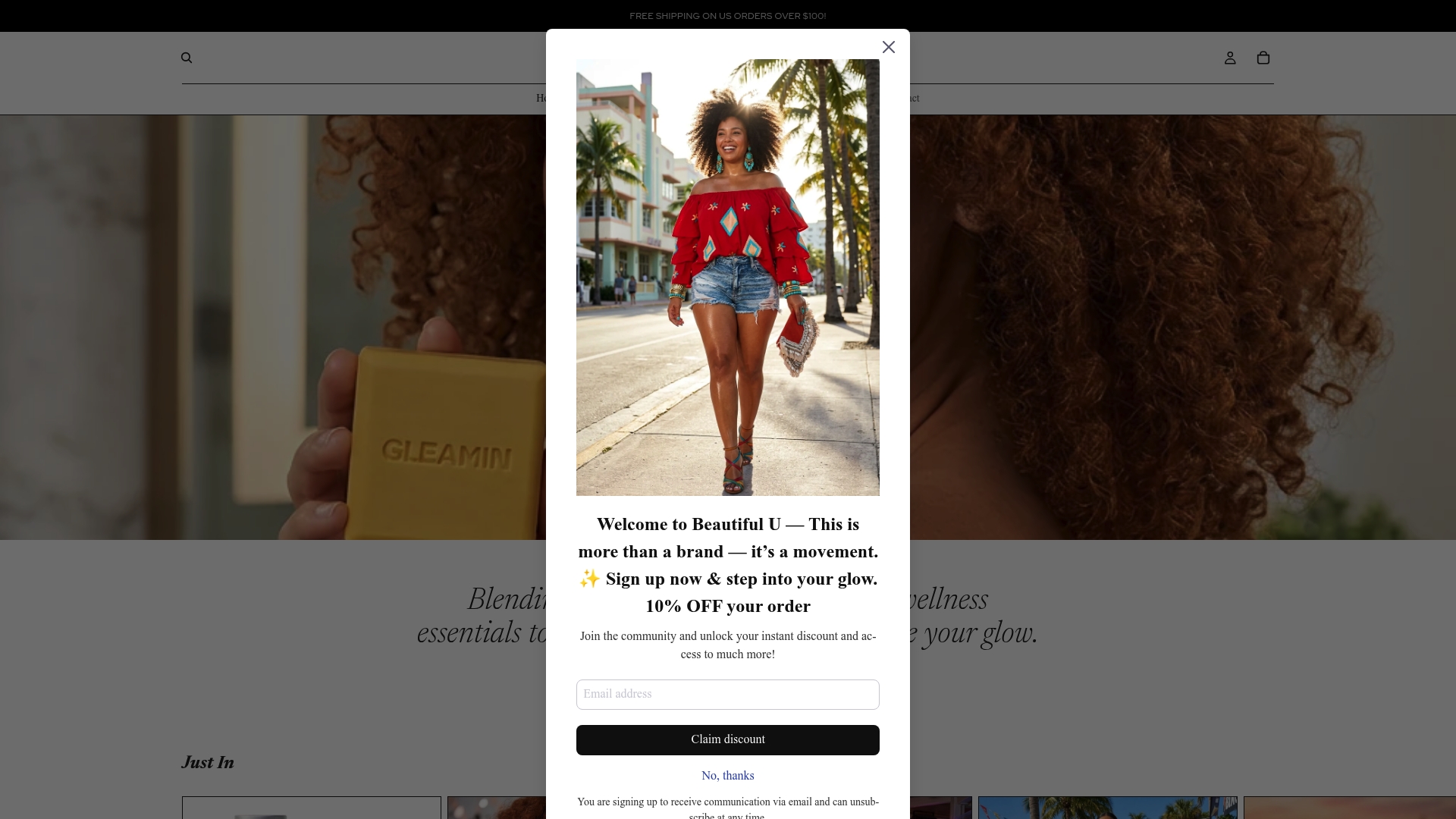
At BEAUTIFUL U, we’ve curated a selection of beauty and self-care essentials with your health and glow in mind. The Eco Glow facial serum is a great place to start, offering hyaluronic acid hydration in a clean, thoughtfully formulated blend. Pair it with the portable facial steamer to open pores and boost absorption before applying your serum. These tools support a routine that feels intentional, effective, and aligned with the values you’re building. Explore our full shop to find what fits your clean beauty journey.
Frequently asked questions
What makes a beauty product ‘clean’?
A clean beauty product avoids ingredients known to harm health or the environment and emphasizes non-toxic, transparent formulas. It’s defined by what’s left out as much as what’s included.
Is clean beauty the same as natural or organic?
No. Clean beauty prioritizes safety and transparency over ingredient source, while natural and organic labels relate to ingredient origin and farming practices.
Which ingredients should I look to avoid when choosing clean beauty products?
Steer clear of parabens, phthalates, formaldehyde-releasers, sulfates, PEGs, synthetic fragrances, and phenoxyethanol. These are the commonly avoided ingredients across most clean beauty standards.
Who benefits most from clean beauty products?
Those with sensitive skin, eco-conscious consumers, and communities at higher risk of chemical exposure see the greatest gains. Research confirms that Black women face disproportionate exposure to toxic beauty ingredients, making access to cleaner options a genuine equity issue.
0 comments